INSANE! Street Fighter II Moves That Broke the Gaming World
The world of arcade fighting games changed forever the moment players first lined up their coins and grabbed the joystick.
Game developers continue to study its design because of how perfectly it balanced accessibility and depth. New players could enjoy it immediately while advanced players could spend years mastering its systems. This dual appeal is rare and remains a benchmark in game design. See and follow the complete information only at Orb of Abrogation.
The rise of Street Fighter II in arcades
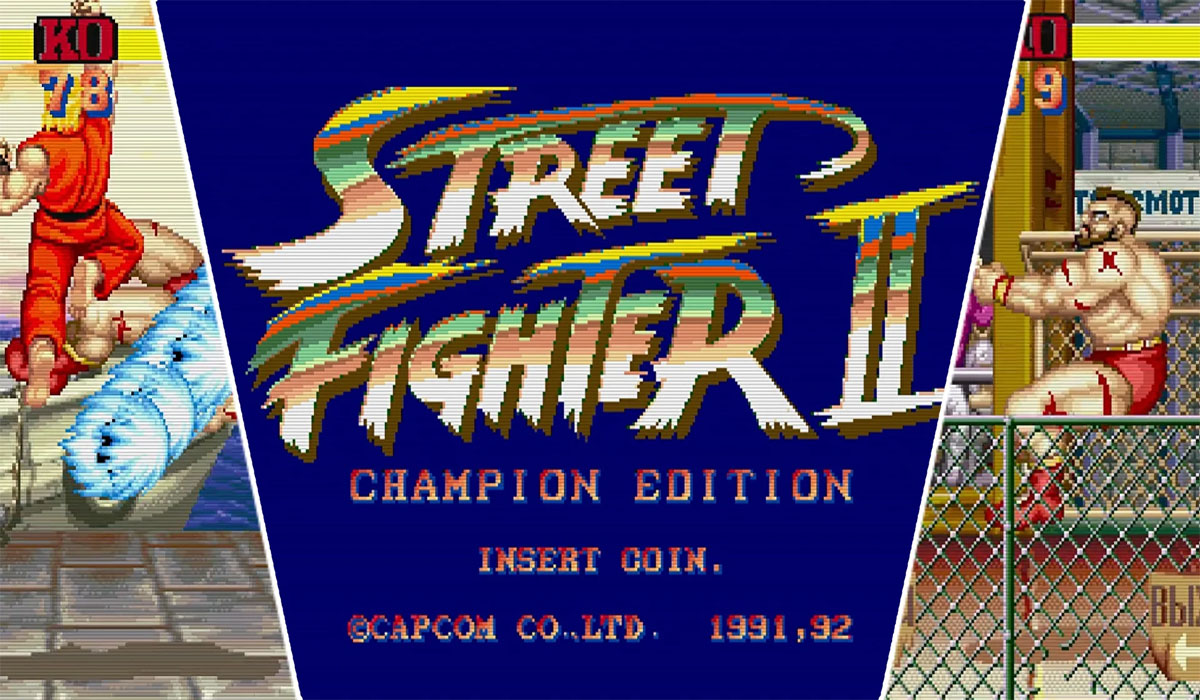
The release of Street Fighter II marked a turning point in gaming history. Before its arrival arcade fighting games were simple and repetitive but this title introduced depth strategy and personality that players had never seen before. Every match felt like a new kind of battle where timing and precision mattered more than random button pressing.
Arcades quickly became crowded spaces filled with competition and excitement. Players would gather around cabinets not just to play but to watch high level matches unfold. The game created a culture of spectatorship where learning from others became just as important as playing itself.
What made it even more powerful was its roster of unique characters. Each fighter had distinct moves styles and personalities that made them memorable. This diversity encouraged players to experiment and find characters that matched their own fighting style.
Iconic moves that defined gameplay
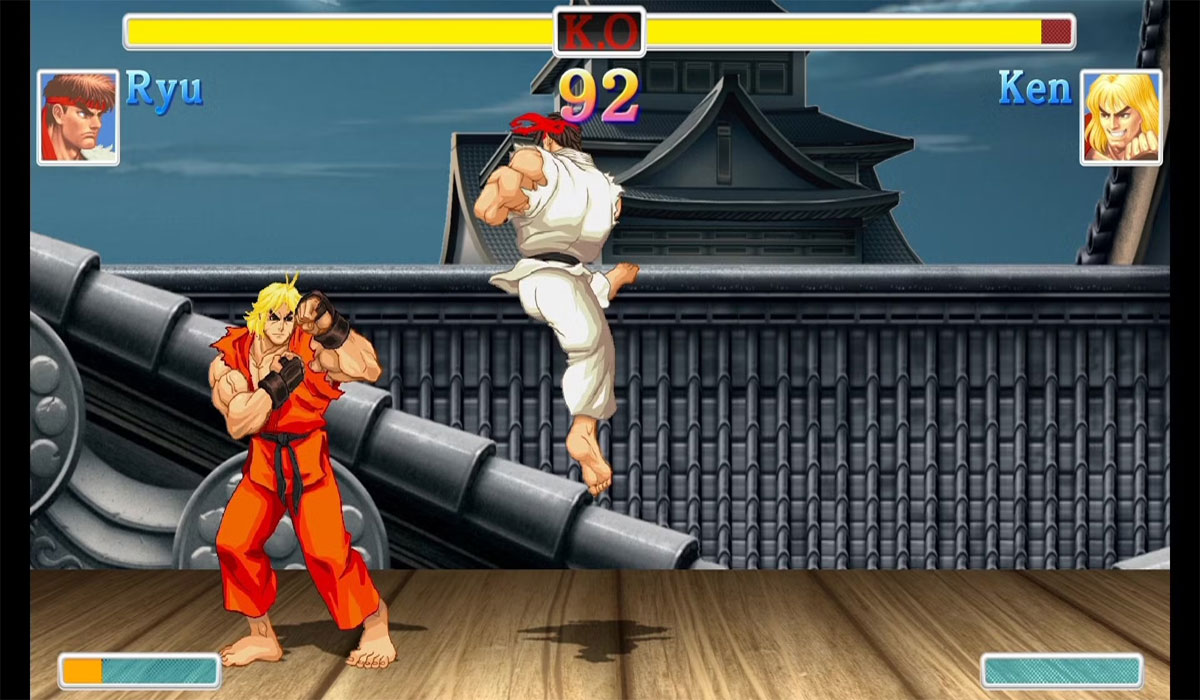
One of the most legendary aspects of the game was its special moves. Techniques like fireballs spinning attacks and uppercuts became instantly recognizable even outside the gaming world. These moves were not just attacks but symbols of mastery that separated beginners from skilled players.
The precision required to execute these moves added a layer of challenge that kept players engaged. Learning the timing of inputs created a sense of progression where every successful move felt earned. This balance between difficulty and reward became one of the game defining strengths.
Some moves even became cultural icons. Players would mimic them in real life and reference them in conversations. The idea that a video game move could become part of popular culture showed just how influential the game had become globally.
Also Read: VIRAL! Dragon Ball Z Moments That Broke the Internet Forever
Competitive scene and community impact
As players improved a competitive scene began to form naturally. Local tournaments emerged in arcades where the best fighters would challenge each other for reputation and pride. These early competitions laid the foundation for modern esports without anyone realizing it at the time.
The community around the game was incredibly passionate. Players shared strategies discovered hidden techniques and debated character strengths. This exchange of knowledge helped the game evolve beyond its original design as players continuously pushed its limits.
Friendships and rivalries developed in equal measure. Some players became local legends known for their mastery of specific characters. These social dynamics made the experience about more than just winning or losing it became about identity and reputation.
Legacy and influence on modern gaming
The influence of the game extends far beyond its original arcade era. Modern fighting games still follow systems and mechanics that were refined during its rise. The concept of special moves combos and character balance all trace back to its foundation.
Game developers continue to study its design because of how perfectly it balanced accessibility and depth. New players could enjoy it immediately while advanced players could spend years mastering its systems. This dual appeal is rare and remains a benchmark in game design.
Even today references to its characters and moves appear in movies music and other video games. Its legacy is not just preserved it is constantly evolving as new generations discover its impact for the first time.
Conclusion
The rise of Street Fighter II was more than just a gaming milestone it was a cultural shift that reshaped how people interact with competitive entertainment. Its iconic moves competitive community and lasting influence prove that great game design can transcend generations. What began as an arcade experience became a global phenomenon that still defines fighting games today.
Image Source:
- First Image from indochem.co.id
- Second Image from halodoc.com